
How to Calm a Puppy: 10 Gentle Methods That Actually Work
Is your puppy hyperactive, anxious, or impossible to settle? Discover 10 natural, drug-free ways to calm a puppy — including exercise, settle training, massage, and more.
PUPPY CARE
Pup Care and Training
5/16/20269 min read
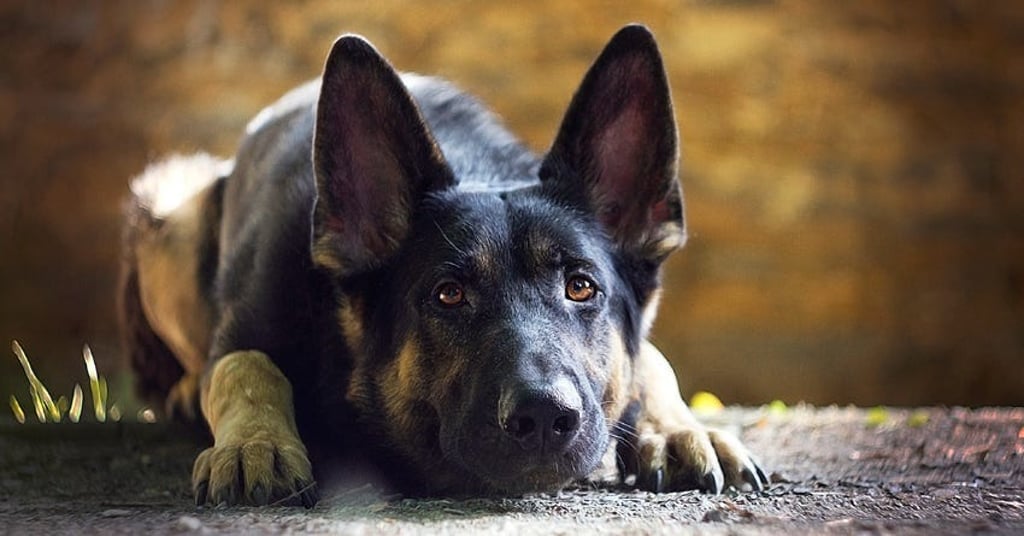

You love your puppy. Your puppy is bouncing off the walls. Your puppy is nipping at everything in reach. Refusing to settle. Your puppy is running laps around the living room at 9pm. It is like your puppy has had five espressos.
Does this sound familiar? A hyper or anxious puppy is one of the common challenges that new dog owners face. This leads a lot of people to wonder if something is wrong with their puppy. They wonder if they need to give their puppy a calming supplement away.
Most of the time you do not need to give your puppy a calming supplement. The effective ways to calm your puppy naturally do not come in a bottle. They come from understanding why your puppy is wound up in the place. Then you can address that root cause directly.
Here is everything you need to know.
Why is your puppy so hyper or anxious?
Before you can fix the problem you need to understand it. Puppies become difficult to calm for distinct reasons. The solution looks different depending on which reason applies to your puppy.
One reason is overstimulation. This is the common reason. Puppies have a limited capacity to process stimulation before their nervous system gets overwhelmed. Many visitors, too much activity, too much handling, too much noise. And your puppy goes from playful to uncontrollable.
Another reason is under-stimulation. This is the problem. A puppy with little physical exercise and mental engagement has energy that builds up until it explodes. This usually happens in the form of zoomies, destructive chewing or frantic behavior at the possible time.
Fear or anxiety is another reason. A puppy that seems hyperactive or naughty is sometimes actually a puppy running on adrenaline because something has frightened them. Anxiety presents differently in puppies. Some shut down others go into overdrive.
Tiredness is also a reason. An overtired puppy often becomes hyper, not less. Like toddlers, puppies whose sleep needs are not being met show their exhaustion through escalating frantic behavior rather than simply falling asleep.
Diet is another reason. Processed puppy foods high in sugar, artificial colors or low-quality ingredients can contribute to hyperactivity and poor impulse control. What your puppy eats directly affects their system.
Once you have identified which reason is likely driving your puppys behavior you can use some methods to calm your puppy.
10 Natural Ways to Calm your Puppy
1. Teach your puppy to settle
This is the useful skill you can give your puppy. Settle training is teaching your puppy to go to a spot and relax on cue. The idea is simple: you teach your puppy to go to their bed or mat lie down and stay there calmly.
Start with your puppy near their bed. Lure them onto it with a treat then reward any behavior. Build duration slowly. Add a cue word like "settle" or "bed." Over time you can ask for a settle in any environment.
The settle does not just give you a break. It actively teaches your puppys system how to calm down. Puppies who practice settling regularly become calmer overall.
2. Exercise your puppy
Time it right. Physical exercise is one of the powerful natural calming tools for a hyper puppy.. Timing matters enormously. Exercise close to bedtime or the moment you want a calm puppy is counterproductive.
It takes 45 minutes to two hours for a puppy's heart rate and adrenaline levels to return to baseline after vigorous activity. If you play a game of fetch at 8pm and then expect your puppy to settle at 8:30pm you are working against their biology.
Instead schedule exercise earlier in the day or before the period you need your puppy to be calm. Morning and early afternoon activity is ideal for setting up an evening.
Also remember the exercise guidelines for puppies: no more than five minutes of formal exercise per month of age twice daily. Over-exercising a growing puppy damages developing joints.
3. Let your puppy sniff
Sniffing is mentally tiring than running and it actively calms the canine nervous system. When a puppy uses their nose their heart rate drops, their breathing. Stress hormones decrease.
A 20-minute sniff walk in an environment often does more to calm a puppy than an hour of fetch. You can scatter a handful of kibbles or treats in the grass. Let your puppy hunt for them with their nose. Let them take a sniff-led walk where they dictate the pace.
4. Establish a daily routine
Puppies thrive on predictability. When your puppy knows what's coming next their nervous system is calmer by default. A puppy with no routine is always slightly on edge.
A puppy with a routine has a framework that their brain can relax into. They do not need to be on alert because they know what this day looks like. Your routine does not need to be military-precise.. Feeding at consistent times walking at similar times and having a clear wind-down routine before sleep goes a long way toward reducing baseline anxiety and hyperactivity.
5. Use body language and a lower voice
Your puppy reads you constantly. Your energy, your voice, your body language. All of it feeds directly into your puppy's state. If you respond to a puppy with big excited high-pitched reactions you are adding fuel to the fire.
The effective thing you can do when your puppy is ramping up is to go deliberately consciously quieter. Slow your movements. Lower your voice. Drop your energy. Sit down of jumping up. Turn away slightly. Remove eye contact.
6. Use massage and gentle touch
Physical touch when done correctly is one of the immediate natural calming methods available. A slow gentle massage reduces levels in puppies lowers heart rate and triggers the release of oxytocin.
The key word is slow. Quick patting enthusiastic touch increases arousal. What you want for calming purposes is long slow strokes. Many puppies visibly relax within a minute or two of rhythmic stroking.
7. Provide chew toys and long-lasting chews
Chewing is a deeply satisfying behavior for puppies. It has a calming effect on the nervous system. The rhythmic repetitive action of chewing releases endorphins reduces stress. Provides a focused satisfying outlet for anxious or over-excited energy.
When your puppy is wound up redirecting them onto a chew does two things at once. It gives them an outlet for their energy and it neurologically soothes them through the act of chewing itself.
8. Protect your puppy’s sleep
Create a calm sleep environment. Overtiredness in puppies is massively underrecognized as a cause of difficult behavior. Young puppies need 16 to 18 hours of sleep per day. Many puppies do not get anywhere near this because they are stimulated, handled, played with or disturbed throughout the day.
The result looks like hyperactivity, than tiredness. An overtired puppy loses their ability to regulate their behavior and emotions which makes them more reactive, more bitey more frantic and harder to calm.
Guard your puppy’s sleep actively. You need to create rest periods throughout the day where your puppy is in their crate or puppy pen with zero stimulation. Teach children and visitors to leave your puppy alone when they are sleeping. Make the sleep environment as dark, quiet and calm as possible for your puppy.
A rested puppy is a calmer puppy.
9. Mental Enrichment and Brain Games
Your puppy needs stimulation. When your puppy’s brain is engaged and challenged they are easier to calm. Mental stimulation tires your puppy out efficiently than physical exercise alone. It also reduces the risk of overstimulation that comes with high-energy play.
Some activities that can help calm your puppy include: puzzle feeders and Kongs that require problem-solving to get the food out positive reinforcement training sessions, hide-and-seek games where your puppy has to use their nose to find you or hidden treats snuffle mats and lick mats. Lick mats are particularly soothing because the repetitive licking action releases calming endorphins in your puppy.
You should aim for least one or two enrichment activities per day in addition to physical exercise for your puppy. You will notice the difference in your puppy’s calmness within days.
10. Recognize the Signs of Overstimulation Early
The effective way to calm your puppy is to catch them before they become frantic. You need to learn to recognize the early warning signs of overstimulation in your puppy.
Watch for increases in mouthiness or biting inability to focus or respond to their name, frantic movement eyes going wide and glassy whale eye, excessive panting or jumping up repeatedly. These are signs that your puppy is reaching their threshold.
When you see these signs do not wait for the behavior to escalate. Calmly and of-factly move your puppy into a quiet low-stimulation environment. Their crate or pen. Keep the transition boring and neutral. Give your puppy something to chew. Give your puppy space to decompress.
Prevention is always more effective than cure when it comes to your puppy’s arousal. Once your puppy is over threshold calming them down takes more time and effort than stepping in a few minutes earlier would have required.
What About Natural Calming Supplements?
Natural supplements like those containing L-theanine, chamomile, valerian root or certain calming milk proteins can help with anxiety in some puppies. You should discuss these supplements with your vet if your puppy’s anxiety is persistent or severe.
Remember, supplements only address the symptoms, not the cause. A supplement might help your puppy feel less anxious. It will not teach them to settle build their confidence or address what is triggering the anxiety in your puppy. The methods in this guide used consistently go to the root of the problem in a way that no supplement alone can.
You should use supplements as a support alongside work. Never instead of it.
When to Talk to Your Vet or a Trainer
calming methods work well for most puppies.. If your puppy’s hyperactivity, anxiety or inability to settle is severe, persistent and not responding to the approaches above after several consistent weeks you should get professional help.
Talk to your vet if your puppy seems distressed rather than just excitable they are showing physical symptoms alongside behavioral ones or their anxiety seems to be getting worse over time.
Seek a qualified positive-reinforcement trainer if you are struggling to make consistent progress with settle training your puppy’s arousal levels are affecting their quality of life or you are not sure how to structure your training approach.
Getting professional support is not a sign of failure. It is the route to the calm confident puppy you want.
Final Thoughts
A hyper or anxious puppy is not a broken puppy. They are a puppy whose needs are not quite being met yet. Whether that is sleep, stimulation routine calm handling or simply time to develop. The natural methods in this guide do not just calm your puppy in the moment. Used consistently they build a more settled puppy from the inside out.
Start with the settle training. Time your exercise correctly for your puppy. Let them sniff. Protect your puppy’s sleep. Keep your energy calm.. Be patient. Because building genuine lasting calmness in your puppy takes weeks, not days.
The puppy who is bouncing off your walls now is going to be the dog who lies peacefully at your feet someday. You are already, on your way.
Frequently Asked Questions
How do I calm a puppy down fast?
The fastest way to calm a puppy is to remove stimulation entirely. I move my puppy to a space. Like their crate or pen. And give them something to chew on. Then I let them decompress without interacting with them. I avoid using voices or excited reactions because that just makes them more excited.
At what age do puppies calm down naturally?
Most puppies start to calm down as they get older. Around 12 months to 2 years old. This depends on the breed of the puppy. Some puppies that have a lot of energy may take longer to calm down. If I train my puppy and give them lots of exercise and structure from an age they will calm down faster.
Can I use lavender to calm my puppy ?
Some people say that lavender essential oil can calm puppies.. Essential oils can be bad for puppies if they eat them or if I put them on their skin. If I want to try aromatherapy I will talk to my vet first. Make sure the product is safe for my puppy.
Why does my puppy get more hyper at night?
It is very common for puppies to get hyper at night. People call it the "puppy zoomies". This usually happens because my puppy is tired and has a lot of energy before they go to sleep. To calm my puppy down I will do an activity with them before bed. Like a short walk or some gentle play. Then I will do a bedtime routine so my puppy knows it is time to sleep.
Does ignoring a puppy help calm them?
If I ignore my puppy and do not give them attention they might calm down. This is because I am not giving them a reason to be excited.. Ignoring my puppy is not enough. I need to give my puppy something to do. Like a chew toy. To help them calm down.
Are calming treats for puppies?
Some calming supplements and treats are safe for puppies.. I need to check the age guidelines on the product and talk to my vet before giving them to my puppy. These supplements work best if I use them with training and exercise. Not, on their own.
Contact
We're here to help with puppy questions.
© 2025. All rights reserved.