
How to Socialize a Puppy: A Beginner's Complete Guide
Learn how to socialize a puppy the right way. Discover when to start, what to expose them to, and simple tips to raise a confident, friendly, well-behaved dog.
PUPPY TRAINING
Puppy Care and Training
7/13/20268 min read
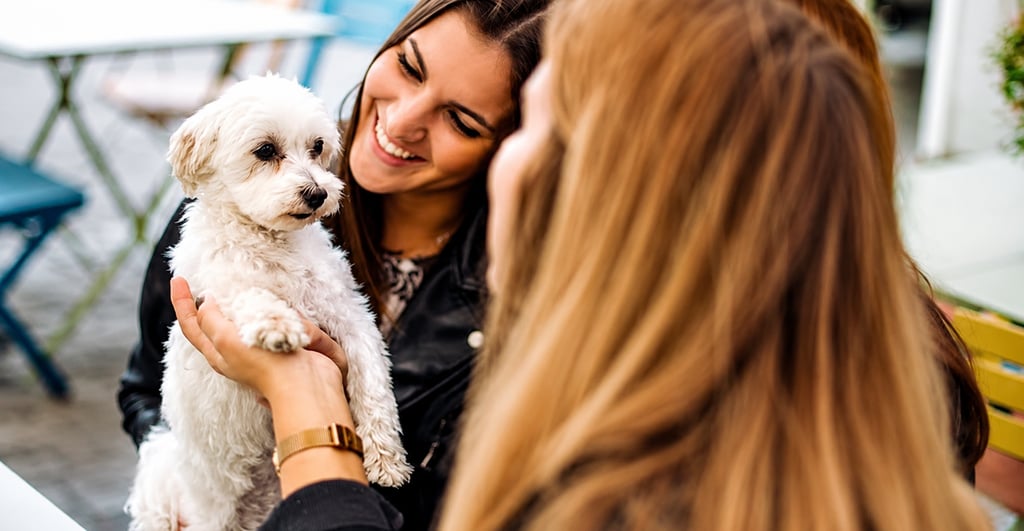
Out of everything on your new puppy to-do list - vaccinations, potty training, sleep schedules - socialization is the one that makes or breaks who your dog becomes.
Not their breed. Not their training. Not even their genetics. The single biggest influence on your puppy's confidence, emotional resilience, and behaviour for the rest of their life is what they experience in these first few months.
That's not an exaggeration. Research consistently shows that dogs with poor early socialisation are at significantly higher risk of developing fear, anxiety, reactivity, and behavioural problems as adults. Behavioural issues - not disease - are the number one cause of death in dogs under three years old. Most of those issues trace back to inadequate socialisation.
The good news? You can do this. It doesn't require special equipment or professional expertise. It just requires understanding what it is, why it matters, and how to approach it thoughtfully.
Here's everything you need to know.
What Is Puppy Socialisation?
Socialisation doesn't just mean meeting other dogs. It means exposing your puppy to the full range of sights, sounds, people, animals, textures, and environments they're going to encounter throughout their life - and making sure those encounters are positive.
The goal is to help your puppy understand that the world is a safe, interesting, manageable place. A well-socialised puppy grows into a dog who can adapt calmly to new situations rather than reacting with fear, aggression, or overwhelm.
Think of it this way: every positive new experience your puppy has now is a deposit in a confidence bank they'll draw on for the rest of their life. The more deposits you make during the critical window, the more resilient and balanced your dog becomes.
The Critical Socialisation Window: Why Timing Is Everything
Here's the part most new owners don't realise until it's too late.
Puppies go through a critical developmental period between approximately 3 and 16 weeks of age where their brains are uniquely receptive to new experiences. During this window, encountering something new doesn't trigger the same fear or caution it would in an older dog. Instead, the brain essentially files it under "normal" — and that classification sticks for life.
After this window closes, new experiences are processed through a different lens. They're evaluated as potential threats unless there's strong prior evidence they're safe. The older a dog gets without adequate socialisation, the harder it becomes to build genuine comfort with things they haven't previously encountered.
This doesn't mean older dogs can't be socialised - they absolutely can. But it requires significantly more work, more patience, and produces more limited results than the same exposure given during the critical window.
So when do most puppies come home? Around 8 weeks - right in the middle of the most important developmental period of their life. That means you have roughly eight weeks from the moment your puppy arrives to do the most impactful socialisation of their entire life.
Use that window. Don't wait.
What to Socialise Your Puppy To
Think of socialisation as a checklist - the broader the range of experiences your puppy has positively, the better. Here's a framework to work from:
People
Your puppy needs to meet a wide variety of humans - not just the people in your household. Children of different ages. Elderly people. People with beards, hats, glasses, hoods, or sunglasses. People in uniforms. People using walking aids, wheelchairs, or crutches. People with different skin tones and builds.
The more variety, the better. A puppy who has only met adults in one household often becomes nervous around children, men, or people who look or move differently. Variety during socialisation prevents this.
How to do it: Invite friends and family over. Take your puppy to sit outside a cafe. Visit a friend's house. Each encounter with a new type of person, paired with calm praise and a treat, adds another entry into the "people are safe" category in your puppy's brain.
Animals
If your puppy is going to share their life with other dogs, cats, or animals, exposure during the socialisation window is invaluable. A puppy who plays regularly with vaccinated dogs learns appropriate canine communication, bite inhibition, and how to read other dogs' body language. This is a critical skill that shapes how they interact with other dogs for life.
How to do it: Arrange playdates with vaccinated, friendly adult dogs or other puppies belonging to people you know. Puppy socialisation classes are brilliant for this - they provide structured, supervised introductions to other pups in a safe environment.
Introduce other species carefully. If you have a cat, allow sniff-based introductions with the cat in control - let the cat approach rather than forcing the puppy on the cat.
Environments and Surfaces
Every new environment your puppy experiences confidently now is an environment they won't be anxious about later. Expose them to as many different locations and surfaces as possible:
Indoor environments: shops, cafes, friends' houses, lifts, escalators
Outdoor environments: parks, busy pavements, markets, car parks, the beach
Surfaces: grass, gravel, mud, sand, tiles, hardwood, carpet, metal grating, stairs
How to do it: Take your puppy somewhere new every few days. Let them explore at their own pace. Bring high-value treats and reward calm, curious investigation of anything new or unfamiliar.
Sounds
Sound sensitivity is one of the most common causes of anxiety in adult dogs - and it's almost entirely preventable with early exposure. Expose your puppy to:
Traffic, engines, and horns
Thunderstorms and fireworks (recordings work well for this)
Household appliances - vacuum cleaners, washing machines, hairdryers
Children playing and crying
Doorbells and knocking
Sirens and loud machinery
How to do it: Start with sounds at low volume and pair them with treats and calm energy. Gradually increase the volume or proximity as your puppy builds confidence. Never force a frightened puppy closer to a sound that scares them.
Handling and Physical Contact
Your puppy needs to be comfortable being touched everywhere - not just the pleasant spots. This matters enormously for vet visits, grooming, and nail trims throughout their life.
Practice touching paws, ears, mouth, gums, tail, and between the toes. Handle them while they eat. Pick them up and put them down calmly. Wrap them briefly in a towel. Let different people do all of these things too.
How to do it: Little and often, always paired with rewards and calm handling. Five minutes of gentle, positive handling daily from week one makes all the difference.
Puppy Classes: Worth Every Penny
If there's one structured socialisation investment worth making, it's a good puppy class.
A well-run puppy class does several things at once: controlled exposure to other puppies and people, basic obedience in a distracting environment, expert guidance on socialisation and handling, and a regular, positive experience your puppy looks forward to every week.
Look for classes that:
Accept puppies from around 8 weeks (after first vaccination)
Use exclusively positive reinforcement methods
Keep groups small and carefully supervised
Provide off-lead play time in controlled, safe conditions
Have a qualified, experienced trainer facilitating
Ask to observe a class before committing. A good puppy class should look fun, calm, and safe for all dogs involved.
The Fear Periods: What You Need to Know
There are two notable fear periods in puppy development that every owner should be aware of.
First fear period: approximately 8–10 weeks. This coincides with the time most puppies come home - which is why the first few days can sometimes seem more anxious than expected. During this period, frightening experiences can leave a lasting impression. Keep things calm and positive during the first week.
Second fear period: approximately 12–16 weeks (sometimes extending into adolescence). Your puppy may suddenly seem nervous about things they were previously fine with. Don't panic. Don't force exposure. Take a step back, go slower, and keep everything positive. This phase passes - but forcing an anxious puppy through it can create lasting fear rather than resolving it.
During both fear periods, the rule is the same: gentle, patient, positive. Never force. Always reward.
Signs Socialisation Is Going Well
As you work through the socialisation process, these are the positive signs to look for:
Your puppy approaches new people and things with curiosity rather than retreating
They recover quickly from startles or mild frights
They are comfortable in different environments without constant reassurance from you
They greet other friendly dogs with appropriate playful energy
They accept handling from different people without resistance
They explore new surfaces and spaces willingly
If you're seeing the opposite - significant fearfulness, reluctance to approach anything new, a puppy who startles easily and takes a long time to recover - increase the positivity, slow the pace, and consider working with a positive reinforcement trainer for guidance.
Common Socialisation Mistakes to Avoid
Waiting until vaccinations are complete. The window is already partly closed by 12 to 16 weeks. Managed early exposure is far safer than the alternative.
Only socialising in one environment. A puppy who only meets people and dogs in your garden hasn't been properly socialised. Variety across different environments is essential.
Overwhelming your puppy. Taking an 8-week-old puppy to a crowded festival is not socialisation - it's flooding. Start small and build gradually.
Using punishment during socialisation. Scolding or correcting a nervous puppy makes everything worse. Patience and positive reinforcement only.
Stopping too soon. Socialisation shouldn't stop at 16 weeks - it just becomes less urgent. Continue exposing your puppy to new experiences throughout adolescence and into adulthood.
Assuming your dog is fine once they're past the window. If your puppy has shown fear or anxiety during socialisation, that needs active, ongoing work - not the assumption that they'll grow out of it.
What Happens If You Miss the Window?
If you've adopted an older puppy or adult dog who wasn't properly socialised, you're not out of options. Adult dogs can make real progress with patient, positive exposure - it just takes longer and requires more careful management.
Work with a qualified positive reinforcement trainer if your dog shows significant fear or reactivity. Counter-conditioning and desensitisation - gradually pairing previously frightening things with positive associations - can make meaningful improvements even in adult dogs.
The critical window being closed doesn't mean change is impossible. It just means it requires more time, more expertise, and more patience than early socialisation would have.
Final Thoughts
Socialisation is the most important gift you can give your puppy. More than any training command, more than any toy or product - the experiences your puppy has in these first few months shape the dog they become for the next decade and beyond.
Start early. Keep it positive. Go at your puppy's pace. Expose them to as much variety as you possibly can before the window closes. And enjoy the process - because there's something genuinely wonderful about watching a puppy discover the world for the first time with curiosity rather than fear.
That confidence you're building right now? It's for life.
Frequently Asked Questions
When should I start socialising my puppy?
Start as soon as your puppy comes home - typically at 8 weeks old. The critical socialisation window runs from approximately 3 to 16 weeks, so there's no time to waste. You don't need to wait for full vaccination - managed early exposure is safe and essential.
How do I socialise my puppy before they're fully vaccinated?
Carry your puppy in areas where unknown dogs have been. Invite vaccinated, friendly people and dogs to your home. Attend a reputable puppy class that accepts puppies from 8 weeks after their first vaccination. Avoid dog parks and public areas with high dog traffic until fully vaccinated.
What should I socialise my puppy to?
People of all types, other animals, different environments and surfaces, a wide range of sounds, and different types of physical handling. The broader the variety of positive experiences during the critical window, the more confident and adaptable your puppy becomes.
What is the critical socialisation window for puppies?
The critical socialisation window runs from approximately 3 to 16 weeks of age. During this period, puppies' brains are uniquely receptive to new experiences, which are more easily filed as "normal." After this window closes, new experiences are approached with more natural caution and require more work to build positive associations with.
What are puppy fear periods?
Fear periods are developmental phases - typically around 8 to 10 weeks and again around 12 to 16 weeks - when puppies may suddenly seem more anxious or reactive to things they were previously fine with. Keep things calm and positive during these phases, never force exposure, and they will pass.
Is it too late to socialise my puppy if they're already 4 months old?
It's not too late, but the critical window is closing. Continue socialisation as actively as possible through adolescence. For puppies who are showing significant fearfulness, working with a positive reinforcement trainer will give you the most effective results.
Contact
We're here to help with puppy questions.
© 2025. All rights reserved.