
How to Take Care of a Puppy for Beginners at Home
New puppy at home? Learn how to take care of a puppy as a beginner - feeding schedules, potty training, vaccinations, crate training, and more.
PUPPY CARE
Pup Care and Training
5/14/20266 min read
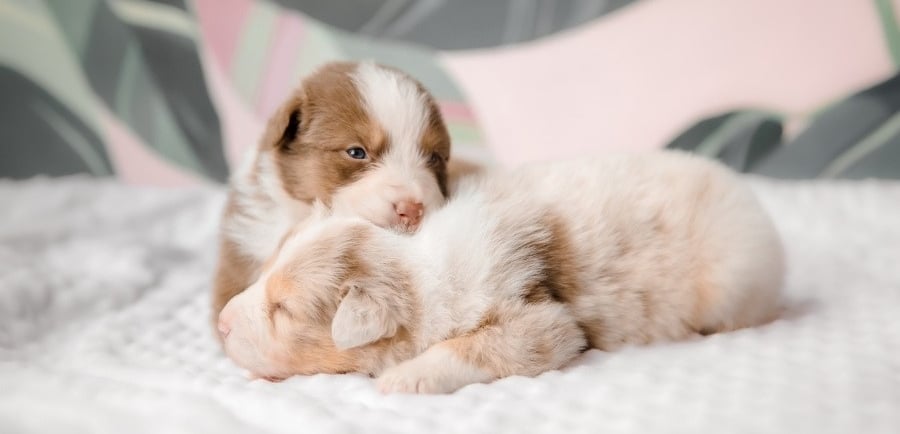
Bringing a puppy home is super exciting but it can also feel a bit overwhelming.
Where does the puppy sleep? What should they eat? When do they need their vet visit?
If you're a first-time puppy parent searching for how to take care of a puppy at home you've landed in the place.
This step-by-step guide covers everything you need to raise a healthy and well-behaved pup from day one.
In This Guide
Get Your Puppy Supplies Ready
Puppy-Proof Your Home
Survive the First Night
Set a Puppy Feeding Schedule
Book Your First Vet Visit
Vaccinations, Deworming & Microchipping
Start Potty Training
Introduce Crate Training
Socialize Your Puppy the Right Way
Keep Up With Basic Grooming
Give Them Daily Exercise & Mental Stimulation
1. Get Your Puppy Supplies Ready Before They Arrive
Before your puppy even sets paw in your home make sure you have the essentials in place.
Running to the store while a confused 8-week-old pup is crying in the corner is not how you want your first day to go.
Here's a quick new puppy checklist to get you started:
Dog crate or playpen (sized for your breed)
Comfortable dog bed or blanket
Stainless steel food and water bowls
Age-appropriate puppy food
Collar, ID tag and a 6-foot leash
Puppy-safe chew. Interactive toys
Enzymatic cleaner for accidents
Puppy pads (for potty training)
Puppy shampoo and a soft brush
Poop bags
Pro Tip: Research your puppies breed before shopping. A tiny Chihuahua and a growing Great Dane have different needs.
2. Puppy-Proof Your Home
Puppies are little creatures. They chew they sniff they squeeze into spaces. And they will find trouble if you give them the chance.
Puppy-proofing your home is one of the important things you can do before your dog arrives.
Walk through every room at puppy level and remove or secure:
cords and charging cables
Toxic household plants (check the ASPCAs plant list)
Cleaning chemicals and medications
Rugs and small objects a puppy could swallow
Trash cans without lids
hanging tablecloths or curtains
Use baby gates to block off stairs or rooms you don't want them exploring.
3. Survive the First Night at Home
The first night is usually the hardest. Your puppy has just left their mother and littermates so some whining and crying is completely normal.
Don't panic. This will pass.
Here's how to make that first night easier:
· Place a not hot) water bottle under their blanket to mimic a littermates warmth
· Put a worn t-shirt of yours near their sleeping spot. Your scent is reassuring
· Keep their sleeping area close to you the few nights
· Avoid taking them into your bed. It creates a habit that’s very hard to break
· Stay calm and consistent if they cry; rushing in every time reinforces the behavior
Give your puppy a name and use it often from day one. It helps them feel at home. Makes training much easier later on.
4. Set a Puppy Feeding Schedule
nutrition is the foundation of your puppy’s health.
Puppies grow fast. They need a diet that fuels that growth.
Always choose a quality age-appropriate puppy food rather than adult dog food.
How Often Should You Feed a Puppy?
8–12 weeks: 4 meals a day
3–6 months: 3 meals a day
6–12 months: 2 meals a day
Always follow the portion guidelines on your puppy food packaging and adjust as your pup grows. Keep water available at all times.
Foods That Are Toxic to Puppies: Chocolate, grapes, raisins, onions, garlic, xylitol ( sweetener) macadamia nuts and avocado.
5. Book Your First Vet Visit Within the First Week
One of the first things you should do when you bring a new puppy home is find a vet and book a wellness exam. Ideally within the first 3–7 days.
Your vet will check your puppy’s health look for any congenital conditions and put together a puppy vaccination schedule tailored to your dogs age and lifestyle.
To make the first vet visit less stressful:
Take a few car rides before the appointment so your puppy doesn't associate the car with something scary
Bring any health records you received from the breeder or shelter
Stay calm. Puppies pick up on your anxiety
Bring high-value treats to create associations
6. Keep Up With Vaccinations, Deworming & Microchipping
Over the six months of your puppies life you'll be making several trips to the vet for core vaccinations.
These protect your puppy from potentially fatal diseases.
Typical Puppy Vaccination Schedule
6–8 weeks: combination vaccine (DHPP)
10–12 weeks: DHPP booster
14–16 weeks: Third DHPP booster + rabies
12–16 months: Annual boosters
Your vet will also recommend a deworming schedule and advise you on flea, tick and heartworm prevention.
Microchipping is another step giving your puppy a permanent form of ID if they ever get lost.
7. Start Potty Training on Day One
Potty training a puppy requires patience, consistency and a whole lot of reinforcement.
The good news? Most puppies can be reliably house-trained within 4–6 months if you're consistent.
Follow these house training rules:
· Take your puppy outside thing in the morning after every meal after naps and before bedtime
· Always take them to the spot. The familiar scent helps trigger the urge to go
· Use a cue word like "go potty" so they learn to go on command
· Praise them enthusiastically. Reward with a treat immediately after they go outside
· Never punish accidents inside. Puppies under 12 weeks physically can't hold their bladder for
8. Introduce Crate Training
A crate isn't a punishment. It's your puppy’s den.
When introduced correctly most dogs genuinely love their crates.
Crate training helps with potty training prevents behavior when you're away and gives your puppy a secure place to rest and recharge.
To introduce the crate positively:
Place the crate in an area of the home at first not isolated in a back room
Put comfortable bedding and a favorite toy inside
Feed meals near or inside the crate to build associations
Start with periods and gradually increase the time
9. Socialize Your Puppy During the Critical Window
The socialization window is 3 to 14 weeks of age. This is the most critical period in your puppy’s development.
Puppies who are well-socialized during this window grow up to be friendly and well-adjusted adult dogs.
Expose your puppy to many new things as possible. Safely and positively:
Different people (men, women, children, people in hats or uniforms)
Other vaccinated friendly. Animals
Everyday sounds (traffic, doorbells, vacuums, fireworks)
Different surfaces (grass, tile, carpet, sand)
Car rides, buses and busy environments
Puppy classes. A structured environment for socialization and basic obedience
10. Build a Basic Grooming Routine
Even if your pup is still tiny starting a grooming routine early makes the process much easier as they grow.
Handling your puppy’s paws, ears and mouth regularly gets them used to being touched. Which is invaluable at the vet and the groomer.
Brushing: Daily for long-coat breeds; weekly for short-coat breeds
Bathing: Once every 4–6 weeks, with a puppy shampoo
Nail trimming: Every 2–3 weeks to prevent splitting and discomfort
Ear checks: Every week. Clean with a vet-approved solution
Teeth brushing: Start with a puppy-safe toothbrush and toothpaste early to prevent dental disease
11. Give Them Daily Exercise & Mental Stimulation
A tired puppy is a puppy. Be careful not to over-exercise young dogs. Their bones and joints are still growing. A good rule is 5 minutes of exercise per month of age twice a day. So a 3-month-old puppy needs 15 minutes of walking twice daily.
Here are some ideas to keep their brain busy:
Puzzle toys and treat-dispensing feeders
Sniff walks. Let them explore at their pace
Short training sessions. Teach them to sit, stay and recall
Playtime with toys that're safe for their age
Final Thoughts: You've Got This
Taking care of a puppy at home takes time.. That's okay. You're already a puppy parent just for reading this. Take it one day at a time. Be consistent. Celebrate the wins.. Don't be afraid to ask your vet for help.
Every puppy is different. Your bond with yours will grow stronger with every walk every training session and every 3am bathroom trip. Trust the process. You and your pup will do great together.
Frequently Asked Questions
How do I take care of a puppy for the time?
Start by getting the essentials. Get a crate, food, bowls, collar and toys. Make your home safe for a puppy. Book a vet appointment within the week. Start potty training and socialization away. Be consistent and patient.
What does a puppy need in the week at home?
In the week help your puppy settle in. Keep things calm. Establish a routine for feeding and sleeping. Introduce them to their crate gently. Schedule that first vet visit. Don't overwhelm them with many visitors or loud noises.
How often should a puppy eat?
Puppies aged 8–12 weeks need four meals a day. From 3–6 months give them three meals a day. By 6 months most puppies do well on two meals a day. Always follow the guidelines on your puppy food.
When should a puppy be vaccinated?
Core vaccines start at 6–8 weeks. They continue with boosters at 10–12 weeks and 14–16 weeks. Your vet will create a schedule for your puppy. Don't. Delay. These vaccines protect against diseases.
How do I stop my puppy from biting?
Puppy biting is normal. It needs to be redirected early. When your puppy bites too hard say "ouch" loudly. Stop play away. Redirect to a chew toy. Everyone in the household needs to be consistent. Avoid play that encourages biting.
Is it OK to leave a puppy during the day?
Puppies under 6 months shouldn't be left alone for, than 2–3 hours. They need breaks to go to the bathroom eat and play. If you work time consider a dog walker or puppy daycare. A crate or safe room helps keep them safe when you're away.
Contact
We're here to help with puppy questions.
© 2025. All rights reserved.