
Puppy Training Schedule by Age: A First-Time Owner's Guide
Not sure where to start with puppy training? This complete puppy training schedule by age breaks down exactly what to teach - and when - from 8 weeks to 6 months and beyond.
PUPPY TRAINING
Pup Care and Training
5/12/20265 min read
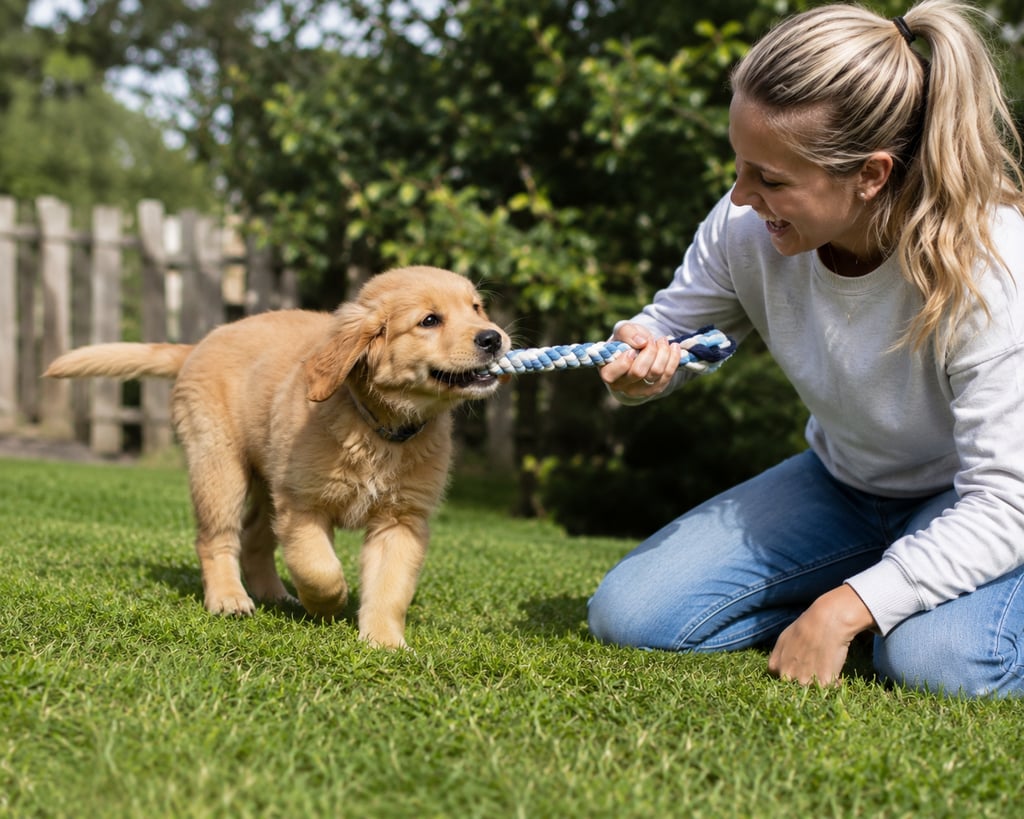
Bringing home a new puppy is super exciting. Also really overwhelming. Between toilet accidents, chewing, crying and lack of sleep you might feel like you're in the dark.
The truth is most first-time puppy owners struggle because they don't have a plan. They don't know what to teach when to teach it or how to make it stick.
That's what this guide is for.
A structured puppy training schedule makes those early months much easier. When you know what your puppy is ready for at each age training gets faster, easier and less stressful. For both of you.
Lets break it down week by week.
When Should You Start Training a Puppy?
The moment your puppy comes home. At 8 weeks old.
Many owners wait, thinking their puppy is too young or small to learn.. Puppies learn fast from the start. The period between 8 and 16 weeks is super important. Everything they experience and every habit they form during these weeks shapes who they become.
Starting early doesn't mean being harsh. It means being consistent using rewards and meeting your puppy where they are.
The key rule: start as you mean to go on. Good and bad habits stick.
What You Need Before You Start
Before diving in make sure you have:
1. High-value treats. Small, soft smelly treats work best.
2. A clicker (optional). It helps mark the moment.
3. A crate or puppy pen. Essential for potty training and settling.
4. A collar, ID tag and lead. Get your puppy used to wearing them indoors.
5. Patience. It's the important thing.
Puppy Training Schedule by Age
8–10 Weeks: The Foundation Stage
Your puppy just arrived. Everything is new and a bit scary. Your job is to help them feel safe build trust and introduce routines.
Priorities:
1. Potty training starts now. Take them outside every 1-2 hours.
2.Introduce the crate. Make it a warm positive space.
3. Teach their name. Say it cheerfully reward them.
4. Basic handling. Get them used to being touched
5. Socialization. Expose them to people sounds, textures.
10–12 Weeks: First Basic Commands
Your puppy is settling in. Now add obedience training.
Priorities:
1. Teach "sit." Hold a treat move it up and back.
2. Introduce "come." Call their name reward them.
3. Practice "leave it." Place a treat cover it.
12–16 Weeks: Building on the Basics
This is a training period. Your puppies brain is absorbing a lot.
Priorities:
1. Add "stay" and "down." Build on "sit."
2. Leash training. Get them used to wearing a collar or harness.
4–6 Months: Adolescence Approaches
Things can get tricky now. Puppies enter adolescence. Stay consistent.
Priorities:
1. Proof commands in environments. Practice, in distracting places.
2. Leash walking. Reward them for staying by your side.
3. Recall. Make "come" a command.
If not already fixed consider timing. Current vet guidance suggests waiting until growth plates close for breeds before neutering, especially bigger dogs. Talk to your vet about the timing for your puppy.
Keep training sessions fresh and fun. Add tricks rotate rewards vary locations. Adolescent puppies get bored fast. Short engaging unpredictable sessions hold their attention better than repetitive drills.
6 Months and Beyond: Consistency Is Everything
By six months your puppy has the basics of a trained dog. The work from here is less about teaching things and more about maintaining and expanding what they already know. And making it reliable across every situation life throws at them.
1. Continue socializing.
2. Continue proofing commands.
3. Continue daily training sessions.
4. Remember that mental stimulation. Puzzle feeders, nose work, new environments, training games. Is just as important as physical exercise for a happy balanced dog.
Formal puppy classes run until around six months. After that many owners find obedience classes or one-to-one sessions with a trainer really helpful especially if any behavioural challenges have come up.
The Training Types You'll Cover Along the Way
As you work through this schedule you'll naturally cover distinct areas of training:
1. Obedience training. Sit, stay, come, down leave it wait. These commands are your puppies vocabulary for navigating life politely.
2. Potty training. Routine reward for going outside no punishment for accidents. Most puppies are reliably indoors by five to six months with consistent training.
3. Crate training. Building the crate as a positive den rather than a place of confinement. This is crucial for house training, independence and preventing behaviour.
4. Exposure. Introducing your puppy to people, dogs, sounds, environments and experiences during the critical window between 8 and 16 weeks. The breadth of experiences your puppy has now directly influences their confidence and stability as an adult dog.
5. Walk training. Getting comfortable with collar, harness and lead then building loose-lead walking as a habit from the very first walks.
Quick Tips for First-Time Owners
1. Keep sessions to five to ten minutes. Puppies have attention spans. Frequent short sessions work better than infrequent long ones.
2. Always end on a success. If your puppy is struggling, ask for something reward it warmly and end there. You want every session to finish on a note.
3. Never use punishment. Shouting, scolding or physical correction damages trust and slows learning. Positive reinforcement. Marking and rewarding the behaviour you want. Is both more effective and more humane.
4. Be consistent above everything. Every person in your household needs to use the commands, the same rules and the same rewards. Mixed messages confuse puppies. Slow training significantly.
5. Celebrate progress, not perfection. Your puppy won't get it right every time. Neither will you. Progress. Small progress. Is worth acknowledging. Puppy training is a journey and the time you invest now pays off in a calm confident well-behaved dog for the next decade and beyond.
Final Thoughts
There's no single "right" way to train a puppy. Every dog is different and every owner is too.. Having a schedule that matches your puppies developmental stage gives you structure reduces frustration and helps you celebrate the milestones as they come.
1. Start at eight weeks.
2. Be consistent.
3. Keep it positive.
4. Give yourself grace when it feels hard. Because it will feel hard sometimes and that's completely normal.
The puppy phase is short. The dog they become lasts a lifetime. Everything you do now is building that dog, one small session at a time.
Frequently Asked Questions
When should I start training my puppy?
You can start training your puppy from the moment they come home. Usually 8 weeks old. Potty training, crate training learning their name and basic handling should all begin on day one.
What is the important age to train a puppy?
The window between 8 and 16 weeks is the critical period in a puppies development. Experiences, socialisation and habits formed during this time have a lasting impact on your dogs personality and behaviour.
What commands should I teach first?
Start with their name sit and come. These are the immediately useful and relatively easy for young puppies to learn. "Leave it" is also worth introducing for safety reasons.
How long should puppy training sessions be?
At 8 to 12 weeks five minutes per session is ideal. Aim for two to three sessions a day. As your puppy gets older and their attention span grows you can extend to ten to fifteen minutes.
What is the socialization window for puppies?
The critical socialization window runs from 3 to 16 weeks of age. During this period positive exposure to people, animals, sounds and environments shapes your puppies confidence and temperament, for life. Missing this window makes socialisation harder. Though not impossible. On.
Is it too late to train my puppy at 6 months?
Absolutely not. Six months is still very young. Dogs are capable of learning at any age. Adolescence can make things feel harder. With consistent positive reinforcement training dogs of any age can make significant progress.
Contact
We're here to help with puppy questions.
© 2025. All rights reserved.