
9 Puppy Training Mistakes Every New Owner Should Avoid
Learn the 9 most common puppy training mistakes first-time owners make - and how to avoid them to raise a happy, confident, well-behaved dog from day one.
PUPPY TRAINING
Pup Care and Training
6/25/20267 min read
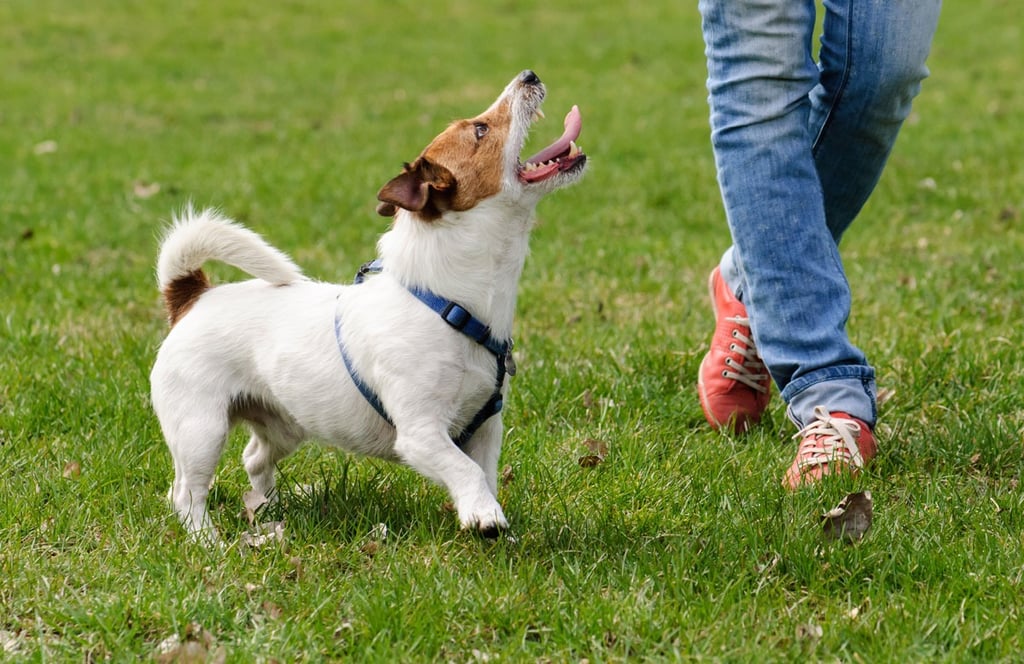
Raising a puppy is hard. But here's something nobody tells you upfront: a lot of what makes it hard isn't the puppy. It's the small, well-intentioned mistakes that owners make without realising - mistakes that quietly slow progress, reinforce the wrong behaviours, and make the whole experience more exhausting than it needs to be.
The good news? Every mistake on this list is fixable. And most of them are easy to avoid once you know they exist.
Let's go through them.
Mistake 1: Waiting Too Long to Start Training
This is the most common mistake - and the one with the longest-lasting consequences.
Many new puppy owners think they need to wait until their puppy is three or four months old before starting training. Some think the puppy needs time to "settle in" first. Others just don't realise that training can start at 8 weeks.
Here's the reality: your puppy is learning from the moment they arrive. Every day without clear guidance is a day spent learning the wrong habits - jumping up goes unremarked, biting doesn't get redirected, toileting happens wherever they happen to be standing. Those habits embed fast and become much harder to shift later.
The fix: Start from day one. Gentle, positive, five-minute sessions from 8 weeks are completely appropriate and highly effective. Name recognition, sit, handling practice, and basic crate introduction can all begin immediately.
Mistake 2: Inconsistency Across the Household
This one silently derails more training plans than almost anything else.
Puppies learn through consistent patterns. When everyone in the household uses different rules - one person lets the puppy on the sofa, another doesn't; one person uses "down" for lie down, another uses "off" to get off the furniture - the puppy gets contradictory information and learns nothing reliably.
Even worse: when a behaviour is sometimes allowed and sometimes not. Your puppy jumping up is cute in casual clothes but not when you're dressed up. Except your puppy doesn't know the difference. They just know that jumping up sometimes works - and that's enough to keep them trying every time.
The fix: Agree on the rules before the puppy comes home. Write them down if needed. Same commands, same rules, same responses - every person, every time. Consistency across the household is training gold.
Mistake 3: Repeating Commands Over and Over
"Sit. Sit. Buddy, sit. SIT. Come on, sit."
Sound familiar? This is one of the most common training habits owners fall into - and it actively teaches your puppy that the first few repetitions of a command don't mean anything.
When you repeat a command multiple times before your dog responds, you're training them to wait for the third or fourth attempt. The cue loses meaning through dilution.
The fix: Say the command once, clearly and calmly. If your puppy doesn't respond, use a lure or physically guide them rather than repeating the word. If they're not responding to a command they've learned before, the environment is probably too distracting - make it easier, not louder.
Mistake 4: Using Punishment Instead of Redirection
Scolding, shouting, physically pushing your puppy away, rubbing their nose in an accident - these are all forms of punishment-based training. And beyond being unkind, they simply don't work.
Here's why. Punishment tells your puppy what not to do - but it doesn't tell them what to do instead. A puppy who gets shouted at for chewing the sofa doesn't learn "I should chew my toy." They learn "chewing near my owner is dangerous." The chewing continues - just when you're not looking.
Punishment also damages trust. A puppy who is regularly scolded becomes anxious, avoidant, and less willing to engage with training. The very relationship that makes training possible starts to erode.
The fix: Redirect, don't punish. When your puppy does something wrong, calmly interrupt and show them what to do instead. Chewing the sofa? Redirect to an appropriate chew toy and reward that. Jumping up? Ask for a sit and reward the sit instead. Reward the right behaviour - and the wrong behaviour loses its purpose.
Mistake 5: Training Sessions That Are Too Long
You've blocked out an hour for puppy training. You've got treats, you've got your clicker, you're committed. This is going to be the day everything clicks.
Except by minute eight your puppy is biting the lead, chasing their own tail, and couldn't care less about "stay."
Puppies have short attention spans - not because they're being difficult, but because their brains are young and tire quickly. After five to ten minutes of active training, learning stops. Pushing past that point doesn't reinforce anything useful. It just creates a negative association with training and makes your puppy less willing to engage next time.
The fix: Keep sessions to five minutes maximum for young puppies. Two to three short sessions scattered through the day are far more effective than one long session. Stop before your puppy loses interest - and always end on a success.
Mistake 6: Forgetting to Reward the Good Stuff
Most owners notice bad behaviour immediately and respond to it. Far fewer notice the good behaviour - the moments when their puppy is calmly lying on their bed, sitting patiently, not barking at the neighbour, playing nicely with a toy.
Those quiet, unremarked moments are missed training opportunities. Your puppy doesn't know their calm behaviour is valued because nobody told them. So they don't know it's worth repeating. Meanwhile the jumping, barking, and attention-seeking continues - because at least that gets a reaction.
The fix: Actively catch your puppy being good and reward it. Your puppy sitting quietly by your feet? Quietly drop a treat. Lying on their mat while you watch TV? Tell them they're brilliant. The more you reward the behaviour you want to see, the more of it you get - and the less space there is for the behaviour you don't want.
Mistake 7: Skipping Socialisation
Socialisation is not optional - it's arguably the most important investment you make in your puppy's development. And yet it's the thing most owners either rush or skip entirely while they wait for vaccinations to be complete.
The critical socialisation window runs from approximately 3 to 16 weeks. What your puppy experiences - and what they don't experience - during this window shapes their confidence, emotional resilience, and how they respond to the world for the rest of their life. A puppy who misses this window is far more likely to be fearful, reactive, and difficult to manage as an adult.
Common socialisation mistakes include: not starting until after all vaccinations (by which point the window is nearly closed), overwhelming the puppy with too much at once, or only socialising with one type of person, dog, or environment.
The fix: Start socialisation immediately - carry your puppy outside before they're fully vaccinated. Expose them to different people, sounds, surfaces, environments, and experiences. Keep everything positive. Go at your puppy's pace. One new, good experience at a time is worth far more than ten overwhelming ones.
Mistake 8: Giving in to Unwanted Behaviour - Just Once
"Just this once" is one of the most expensive phrases in puppy training.
Your puppy has been whining at the kitchen door for five minutes. You've been ignoring it. But you need to concentrate and it's been going on long enough, so you open the door just to make it stop.
You've just taught your puppy that five minutes of whining opens doors. They will do it again. And next time they'll know it works.
This applies to begging at the table, jumping up for attention, barking for walks, pawing for cuddles - any behaviour that has ever been rewarded even once will be repeated. Your puppy isn't being stubborn. They're following the evidence trail you've created.
The fix: Decide what the rules are - and mean them every time. Ignoring unwanted behaviour only works when it's completely consistent. One exception resets the habit. The short-term discomfort of holding firm is always less painful than the long-term problem you create by giving in.
Mistake 9: Training Through Frustration
Puppy training is genuinely frustrating sometimes. Your puppy has known "sit" for two weeks and suddenly acts like they've never heard the word. You've asked them three times. Your patience is gone.
Training through that frustration doesn't work. Your energy shifts, your voice tightens, your body language changes - and your puppy reads every bit of it. What was a safe, positive, rewarding experience starts to feel unpredictable and tense. Learning stops. Anxiety builds.
Worse, if frustration escalates into raised voices or physical correction, you erode the trust that makes training possible in the first place. A puppy who doesn't feel safe with you cannot learn from you.
The fix: The moment you feel frustrated, end the session. No drama, no big reaction - just stop. Do something else for ten minutes. Come back to your puppy with a reset attitude and ask for something easy they definitely know. Reward it warmly and finish there. Short, positive, successful sessions build better dogs than long, frustrated ones every single time.
Quick Recap: The 9 Mistakes to Avoid
Waiting too long to start - training begins from day one
Inconsistency across the household - same rules, same words, every time
Repeating commands - say it once and mean it
Using punishment - redirect and reward instead
Training sessions that are too long - five minutes maximum for young puppies
Not rewarding good behaviour - catch them getting it right
Skipping socialisation - the window closes fast
Giving in just once - consistency is everything
Training through frustration - stop, reset, come back fresh
Final Thoughts
Puppy training doesn't have to be as hard as it often feels in those first few weeks. Most of the struggle comes not from a difficult puppy, but from small, fixable mistakes that compound over time.
Avoid the mistakes on this list, stay consistent, keep it positive, and give yourself grace when things go sideways - because they will sometimes. That's not failure. That's puppyhood.
Your puppy is trying to figure out the world. Your job is just to make that world as clear, safe, and rewarding as possible. Do that and everything else falls into place.
Frequently Asked Questions
What is the biggest mistake in puppy training?
Inconsistency is arguably the single biggest training mistake - whether that's mixed messages between household members, sometimes allowing behaviours and sometimes not, or repeating commands multiple times before expecting a response. Consistent, clear communication is the foundation of everything else.
Is it too late to fix puppy training mistakes?
Almost never. Dogs are capable of learning at any age, and most puppy training mistakes can be corrected with consistent, positive retraining. The earlier you catch and address them, the easier the correction - but there's very rarely a point of no return.
Why is my puppy not responding to training?
Common reasons include: sessions are too long and the puppy is mentally fatigued; the treat isn't motivating enough; the environment is too distracting for the puppy's current skill level; or the command has been repeated so many times it's lost meaning. Shorten the session, upgrade the treat, reduce distractions, and go back to basics.
Should I punish my puppy for bad behaviour?
No - punishment-based training is both ineffective and damaging to your relationship. It tells your puppy what not to do without teaching them what to do instead. Positive reinforcement - rewarding the behaviour you want - is significantly more effective and builds a confident, trusting dog.
How long should a puppy training session last?
For puppies under 12 weeks, aim for five minutes per session, two to three times a day. As your puppy matures, sessions can extend to ten minutes. Short, frequent, positive sessions consistently outperform long infrequent ones at every age.
Contact
We're here to help with puppy questions.
© 2025. All rights reserved.