
7 Red Flag Puppy Behaviours You Should Never Ignore
Is your puppy showing warning signs? Discover 7 red flag puppy behaviours every new owner should know, what they mean, and when to seek professional help.
DOG BEHAVIOR
Puppy Care and Training
7/26/20269 min read
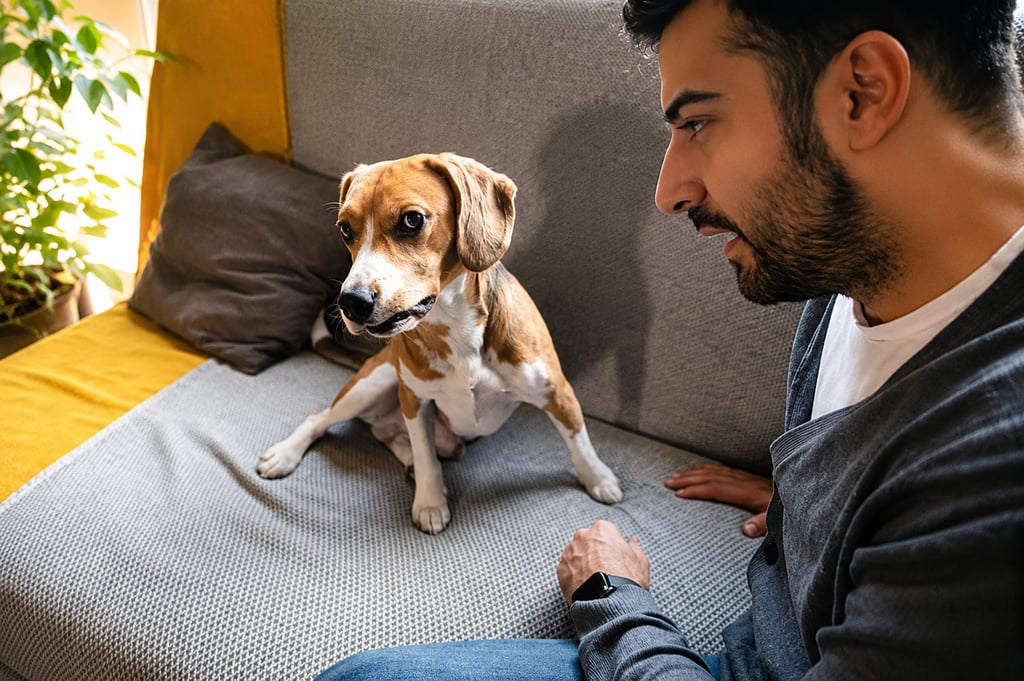

Most puppy behaviour is normal - the biting, the chewing, the midnight zoomies, the selective hearing. New owners often worry about things that are completely expected and resolve on their own with time and consistent training.
But some behaviours are different. Some are early warning signs - patterns that, if left unaddressed, tend to worsen with age rather than improve. The puppies who end up being rehomed or presenting with serious aggression as adults are almost always the ones whose early red flags were missed, dismissed, or assumed to be a phase.
This isn't meant to frighten you. It's meant to help you know the difference between "normal puppy stuff" and "this needs attention now" - because catching things early changes everything.
Here are seven puppy behaviours that deserve more than a wait-and-see approach.
Red Flag 1: Biting That Breaks Skin or Draws Blood
All puppies bite. It's completely normal - their mouths are how they explore the world, play, and communicate. The question isn't whether your puppy bites. It's how hard they bite.
Between three and eight weeks of age, puppies learn bite inhibition from their mother and littermates. When one puppy bites another too hard during play, the bitten puppy yelps and stops playing. That immediate feedback teaches the biter that biting too hard ends the fun. Puppies who are removed from their litters too early - before eight or nine weeks - miss a critical portion of this learning.
Normal puppy biting hurts. It can be annoying, uncomfortable, and sometimes leaves a mark. But it should not break the skin repeatedly or leave genuine puncture wounds in your hands and arms.
If your puppy's biting is consistently breaking skin, drawing blood, or feels more like genuine aggression than play, that's a red flag. Puppies who lack bite inhibition are at significantly higher risk of causing serious injury if they bite as adults - because they've never learned to moderate their force.
What to do: Start bite inhibition training immediately. Interrupt hard biting with a short, sharp sound and withdraw all interaction. Redirect to appropriate chew toys. Be consistent. If biting remains intense despite consistent training, work with a qualified positive reinforcement trainer promptly - this is not a behaviour to hope your puppy grows out of.
Red Flag 2: Extreme Reaction to Being Handled or Restrained
A squirmy puppy who wriggles when you pick them up is completely normal. Puppies are young and energetic - some settling takes time.
What's not normal is a puppy who reacts to mild, gentle restraint with intense aggression - snapping, biting hard, flipping their head around aggressively, or escalating beyond what any amount of treats or calm handling can reach.
The practical test: sit on the floor, gently turn your puppy onto their back, and immediately begin offering treats. A normal puppy may wriggle for a few seconds and then settle, especially when food is involved. A puppy with an abnormal reaction continues escalating - biting aggressively, becoming increasingly frantic, and ignoring treats entirely.
This matters because restraint is unavoidable throughout your dog's life. Vet examinations, grooming appointments, nail trims - all involve being held in ways your dog might find uncomfortable. A dog who has learned early that biting hard makes restraint stop will bite harder and harder as they get older. Adult bites are far more dangerous than puppy bites.
What to do: Practice handling all body parts daily - paws, ears, mouth, tail - pairing every touch with treats. Make all handling positive from day one. If your puppy reacts to handling with anything beyond mild protest, get professional guidance early. This is one of the behaviours that reliably worsens with age if left unaddressed.
Red Flag 3: Resource Guarding Over Food, Toys, or Spaces
Resource guarding - growling, stiffening, snapping, or biting when someone approaches food, toys, or a resting spot - is one of the most commonly underestimated early warning signs in puppies.
A puppy enthusiastically eating their food is normal. A puppy picking up a toy and running off with it is normal. What's a red flag is a puppy who growls when you approach their bowl, snaps when you try to take something away, or stiffens and shows teeth when someone approaches a spot they've claimed.
Resource guarding tends to worsen significantly as dogs move into adolescence and adulthood. A puppy who growls over their food bowl at eight weeks often becomes a dog who bites if you get too close at two years - particularly in high-value situations or if the guarding was inadvertently reinforced by people backing off when the growling started.
What to do: Never punish growling. Growling is communication - a warning sign that the dog is uncomfortable. Punishing it removes the warning without removing the discomfort, which creates a dog who bites without warning. Instead, work on building positive associations with approach during eating - tossing treats near the bowl as you walk past, hand feeding meals, practicing calm "trade" exchanges. A qualified trainer experienced in resource guarding can give you a specific, safe protocol for your puppy's level.
Red Flag 4: Persistent Fear That Doesn't Improve With Gentle Exposure
Every puppy gets startled. Every puppy has moments of uncertainty about new experiences - that's a normal part of learning about the world. The key word here is recovery. A puppy who startles at something loud but quickly bounces back to investigate, accept a treat, and continue normally is behaving exactly as expected.
A red flag is a puppy who takes a very long time to recover from mild frights. Who remains shut down, frozen, or highly distressed long after the triggering event has passed. Who is consistently and severely fearful of people, environments, or handling in ways that can't be managed with gentle exposure and treats.
Fear that doesn't improve with careful, positive exposure during the socialisation window often hardens into fear-based aggression as the puppy matures. Many adult dogs who bite strangers, children, or other dogs were frightened puppies whose fear wasn't addressed early enough.
What to do: If your puppy is showing persistent fearfulness, increase positive socialisation immediately. Keep exposures gentle, short, and always below the threshold where your puppy becomes overwhelmed. Pair every new experience with the best treat in your arsenal. If fearfulness is severe or not responding to your best efforts, don't wait — bring in a trainer or veterinary behaviourist. The socialisation window closes, and fear addressed during it responds much better than fear addressed after.
Red Flag 5: Growling at People - Including Family Members
Growling is a form of communication. It means "I am uncomfortable with this situation and I want it to change." In the right context - play between known dogs, warning communication between unknown dogs - growling is a normal part of the canine vocabulary.
What's a red flag is a puppy regularly growling at people - family members, visitors, children - in everyday situations. A puppy who growls when picked up, when someone sits near them, when a child approaches, or when a stranger says hello is communicating discomfort in a way that - if not addressed - typically progresses to snapping and biting.
The danger with growling is the human impulse to punish it. Many well-meaning owners tell puppies off for growling, push through it, or otherwise teach the puppy that growling doesn't work. What this produces is a dog who has been taught to skip the warning and go straight to biting. This is far more dangerous than a dog who growls.
What to do: Treat growling as information rather than insubordination. What is your puppy uncomfortable with? What is the pattern - who, when, in what context? Work on building positive associations with the specific triggers. If your puppy is growling regularly at family members, children, or in multiple contexts, get a qualified professional involved quickly. This is a behaviour that needs expert guidance, not amateur management.
Red Flag 6: Separation Distress Beyond Normal Settling-In Crying
Most puppies cry when left alone in the first few weeks. This is completely normal - they've just come from a litter where they were never alone, and being crated or separated from you is genuinely unsettling. Normal settling-in crying typically improves steadily over the first two to four weeks with consistent crate training and gradual alone-time practice.
Separation anxiety is different. It's characterised by extreme, persistent distress that doesn't improve with time and consistent training. Signs include: hours of continuous crying rather than settling, soiling the crate due to anxiety even when the puppy has recently toileted, self-injurious behaviour like bloody paws or mouth from trying to escape the crate, and extreme escalation the moment you leave that doesn't de-escalate.
Full separation anxiety in puppies is relatively uncommon - but when it's present, it needs professional intervention promptly. Left unaddressed, it typically worsens rather than improving.
What to do: Make sure your puppy gets consistent daily practice with short, graduated periods of alone time from the very beginning. Tie alone time to meals - feeding your puppy in the crate makes alone time predict a great thing. Build duration slowly. If your puppy's distress is truly extreme and not responding after two to three weeks of consistent training, speak to your vet to rule out any medical contributors and consider working with a behaviourist on a structured desensitisation programme.
Red Flag 7: No Improvement in Potty Training Despite Correct Technique
This one is different from the behavioural red flags above - it's more of a health red flag that shows up in puppy behaviour. Potty training has accidents. That's expected and normal. What's not normal is a puppy who regularly soils their correctly-sized crate despite a proper schedule, recent toilet trips, and no access to water right before bed.
Dogs have a strong instinct to avoid soiling their sleeping area. When that instinct seems absent - when a puppy consistently toilets in their crate regardless of schedule or crate size - it usually points to one of two things: either the puppy was raised in conditions (like a puppy mill or overcrowded pet shop) where they were forced to soil where they slept and lost that instinct, or there's an underlying health issue.
A urinary tract infection, intestinal parasites, or other medical conditions can cause a puppy to soil despite the best training approach. Rule these out before assuming a training problem.
What to do: First, book a vet check. A stool sample and urine test can quickly identify parasites or infection. If your puppy gets a clean bill of health and the crate soiling continues, speak to a trainer - there are specific approaches for puppies who've lost the natural clean-sleeping instinct. It's more challenging to address than typical potty training, but it absolutely can be.
The Most Important Thing to Understand About All of These Red Flags
None of the behaviours on this list are a life sentence for your puppy. Early intervention with the right approach makes a real, meaningful difference in almost every case.
The puppies who end up in the most serious trouble as adults are rarely the ones whose owners did the wrong things. They're the ones whose owners didn't notice the early signs, assumed it would pass, or waited too long to get help. By the time serious aggression or anxiety problems present in an adult dog, months or even years of practice have reinforced those patterns - and reversing them takes significantly more work.
A red flag spotted at ten weeks is an early warning that's highly treatable with the right guidance. The same red flag spotted at two years is a much larger, more embedded problem.
If something about your puppy's behaviour concerns you - trust that instinct. Get a professional opinion early. A good positive reinforcement trainer or veterinary behaviourist would always rather tell you "this is actually normal, here's why" than hear that a puppy's early warning signs were missed.
Final Thoughts
Most puppy behaviour is normal - and most of it resolves with consistent, positive training and time. But the seven behaviours on this list deserve your attention now, not later.
Watch for biting that goes beyond mouthing. Watch for extreme reactions to handling. Watch for early resource guarding. Watch for fear that doesn't resolve. Watch for growling at people. Watch for separation distress that isn't improving. And watch for a puppy who can't seem to get the message about the crate.
See something that concerns you? Act early. The window for the easiest, most effective intervention is open right now - and it doesn't stay open forever.
Frequently Asked Questions
What puppy behaviours are actually normal?
Normal puppy behaviours include mouthing and play biting (without breaking skin), chewing, having accidents during potty training, initial crying in the crate, barking, jumping up, and brief fearfulness about new things that quickly resolves. These are expected parts of puppyhood and typically resolve with consistent positive training.
At what age should I worry about puppy aggression?
Any aggression - biting that breaks skin, growling at people, snapping during handling - at any age warrants attention rather than a wait-and-see approach. The earlier it's addressed with appropriate positive reinforcement training, the better the outcome. Don't wait until your puppy is older and the behaviour is more ingrained.
Is it normal for puppies to growl?
Growling during play is normal. Growling when playing tug or wrestle-play is normal. Growling at family members in everyday situations, when approached near food, or when handled is a red flag that needs prompt, appropriate attention - not punishment.
What is resource guarding in puppies?
Resource guarding is when a puppy growls, stiffens, snaps, or bites when someone approaches something they value - food, toys, a resting spot, or a person. Mild guarding is relatively common in puppies but tends to worsen without intervention. Work with a positive reinforcement trainer who has experience with resource guarding for the safest approach.
When should I get a professional trainer for my puppy?
Get professional help if: your puppy's biting is breaking skin consistently, they're showing aggression during handling, they're growling at people regularly, their fearfulness is severe and not improving, or their separation distress is extreme and persistent. Early professional support produces significantly better outcomes than waiting until problems are fully established.
Can red flag behaviours in puppies be fixed?
In the vast majority of cases - yes, with early intervention and the right approach. Positive reinforcement training, counter-conditioning, and desensitisation can make meaningful improvements in almost all of these behaviours, especially when addressed during puppyhood. The key is acting early rather than waiting to see if the puppy grows out of it.
Contact
We're here to help with puppy questions.
© 2025. All rights reserved.