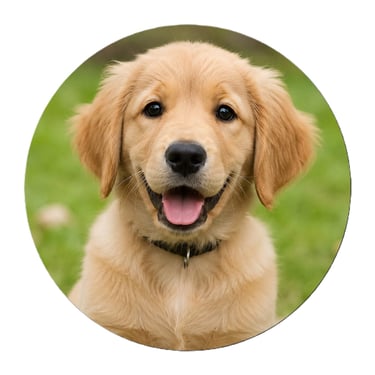
What Is the First Thing You Should Train a Puppy?
Wondering what to train your puppy first? Discover the most important things to teach from day one — potty training, their name, sit, recall, and bite inhibition.
PUPPY TRAINING
Pup Care and Training
5/13/20267 min read
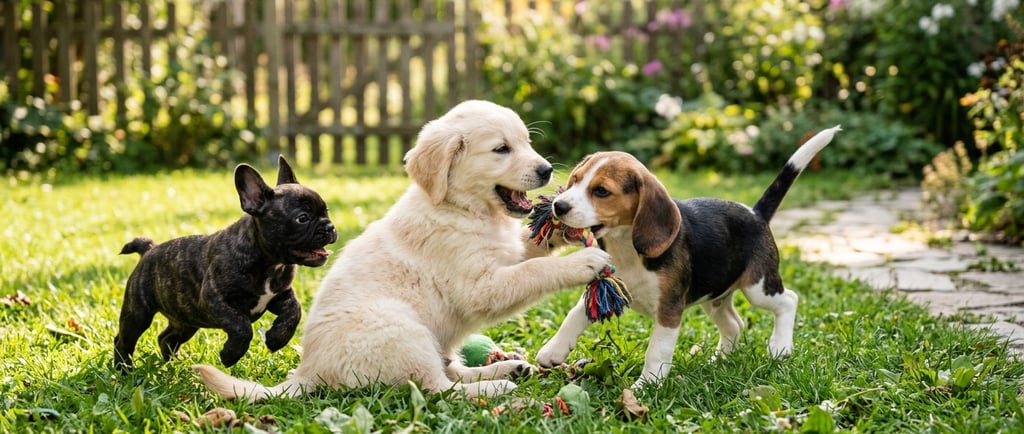
So your puppy is home. They're adorable chaotic. Have no idea what the rules are. You know you need to start training.. Where do you begin?
It's a question new puppy owners ask. Not all training is equal and trying to teach your puppy everything at once can be frustrating for both of you. The secret is knowing what to prioritize. What to work on first what can. Why the order matters.
Here's the honest answer and a clear breakdown of what to focus on from day one.
Before Anything Understand the Difference Between Life Skills and Commands
Professional trainers make this distinction all the time. Commands are things like sit, stay, shake and roll over. They're useful and impressive. Can be taught at any point in your dogs life. A dog who never learns to sit on command can still be a companion.
Life skills on the hand are foundational behaviors and habits that determine whether your puppy can function safely and happily in the real world. Life skills come first. Commands come after.
So what are those life skills? Lets work through them in order of priority.
1. Potty Training. Start on Day One, No Exceptions
If there is one answer to "what is the first thing you should train a puppy " it's potty training. Puppies do not grow out of accidents on their own. Their bladder control improves naturally as they develop. The habit of toileting outdoors has to be taught.
Take your puppy outside every one to two hours during the day. Always immediately after they wake up eat, drink or play. Choose one spot in the garden and take them there every time. Use a cue word. Something like "go potty" or "toilet”. And reward calmly the moment they finish.
When accidents happen indoors clean them up thoroughly with a cleaner. Never scold your puppy for accidents. Consistency is everything.
2. Their Name. The Gateway to Everything
Teaching your puppy their name sounds simple but its one of the most important things you can do. Every single thing you teach them after this depends on your puppies willingness to pay attention to you.
Say your puppies name once in a friendly voice. The moment they glance at you mark it with a "yes!". Give them a treat. Do this ten to fifteen times a day in bursts. Within three to five days most puppies will be spinning around to look at you every time they hear their name called.
One important rule: never use your puppies name in a context.
3. Sit. The Practical First Command
Now we're into command territory. And "sit" is where almost every trainer starts. It's easy to teach your puppy can learn it within a session or two and it is genuinely useful every day.
To teach it: hold a treat close to your puppies nose then slowly move your hand up and slightly back over their head. The moment their bottom touches down say "sit" and give the treat. Repeat five or six times per session two to three times a day.
Within a week most puppies are sitting reliably on a cue.
4. Come (Recall). Possibly the Most Important Command of Their Life
A recall. Your puppy coming back to you every single time you call them. Is one of the most life-saving skills you can ever build.
Start in the house with zero distractions. Get down on your puppies level call their name followed by "come" in your enthusiastic voice and when they trot toward you. Celebrate. Treats, praise, affection. Make coming to you the best thing that ever happens to your puppy.
Gradually increase the distance and difficulty over time. Practice in the garden. Practice in parks. Always reward generously.
5. Leave It. A Safety Command Worth Its Weight in Gold
Puppies pick up everything. The ability to tell your puppy "leave that alone”. And have them actually listen. Is a safety
To introduce it: place a treat on the floor. Cover it with your hand. The moment they back off or look up at you say "yes!". Reward them from your other hand. Practice daily, in bursts.
6. Bite Inhibition. Training That Protects Everyone
Puppy biting is behavior. It's how puppies explore, play and interact with the world.. You shouldn't ignore it because how your puppy learns to control their bite pressure now shapes how they use their mouth for the rest of their life.
Puppies learn bite inhibition from their littermates. When they bite hard during play the other puppy yelps and stops playing. You need to replicate that feedback.
When your puppy bites too hard during play make a sharp sound, like "ouch" and immediately stop paying attention. Turn away go still and remove yourself from the game.
The moment your puppy backs off or softens go back and play again. Always give them a chew toy to bite on.
Never let mouthing on skin get out of hand even if its playful.
Never physically punish a puppy for biting. It makes the behavior worse damages trust and increases the risk of an defensive bite response later in life.
7: Settling and Alone Time. The Underrated Essential
This one doesn't get attention from first-time puppy owners. And its responsible for many behavioral problems later on.
Your puppy needs to learn that being alone or settling quietly without stimulation is safe and normal.
Puppies who are never left alone who follow their owner from room to room all day and are always in someone’s lap or arms are puppies who are building a dependency that often develops into separation anxiety.
From day one practice periods of separation. Put your puppy in their crate. Pen for 10 to 20 minutes while you're home and going about your day.
Step out of the room. Leave the house briefly. Gradually increase the time. Reward calm settled behavior. Keep departures and arrivals low-key.
A puppy who learns early that being alone is fine grows into a dog who's genuinely comfortable and confident in their own company.
That independence is a gift.. Its much easier to build now than to fix after separation anxiety has taken hold.
What About Socialization? Isn't That First?
Socialization is absolutely critical. It's one of the important things that influences who your puppy becomes as an adult dog.
It isn't a training command or skill you teach in a session. It's a process that runs alongside everything else.
From the moment your puppy comes home expose them to many different experiences as possible: different people, different environments, different sounds and surfaces different animals.
Everything should be paired with energy and positive associations.
The window between 8 and 16 weeks is the impactful period. Don't let it slip by while you wait for vaccinations to be completed.
Carry your puppy outside if needed. Invite people over. Let them experience the world safely.
This isn't separate from training. It is training, of the important kind.
The Simple Priority Order to Follow
If you're feeling overwhelmed here's how to think about it.
In the two weeks focus primarily on:
1. Potty training every day without fail.
2. Teaching your puppy their name in bursts multiple times daily.
3. Basic handling. Touching their ears, paws, mouth and body so nothing feels strange later.
4. Socialization. Safe positive exposure to the world.
Once those are underway add in sit come, leave it and bite inhibition.
Add settling and alone time as a practice from week one.
Keep sessions five to ten minutes maximum for young puppies.
End every session on a win. Use high-value treats keep your energy upbeat and never train through frustration.
If you're irritated end the session. Your puppy reads your energy and training works when its genuinely enjoyable for both of you.
Final Thoughts
The first thing you should train a puppy isn't a command. It's a foundation.
Consistency, trust clear communication and the life skills that make your puppy safe and manageable in the world.
Everything else. Tricks, advanced commands, agility, sport. Builds on top of that foundation.
Start simple. Start early. Stay consistent.
Remember that every short training session you do right now is an investment in the dog your puppy is going to become.
That dog is going to be extraordinary. You're already doing the thing by asking the right questions.
Frequently Asked Questions
What is the first thing to train a puppy?
The first priority is potty training. It should begin the moment your puppy comes home.
Alongside that start teaching their name and introducing handling from day one.
These three things lay the groundwork for everything that follows.
What age should you start training a puppy?
You can and should start training from 8 weeks old. The age most puppies come home.
Young puppies are highly receptive to learning. The habits formed in these early weeks have a lasting impact.
There is no thing as "too young" to start basic training with positive reinforcement.
What are the important commands to teach a puppy first?
The priority commands are: their name, sit come (recall) and leave it.
These four cover the foundations of attention, politeness, safety and self-control.. They underpin almost every other skill your dog will ever learn.
How long should puppy training sessions be?
For puppies under 12 weeks five minutes per session is ideal.
Between 12 and 16 weeks you can extend to 10 minutes.
Short frequent sessions throughout the day are more effective than one long session.
Always end before your puppy loses interest and finish on a success.
Should I teach my puppy to sit or come first?
Both are important. Recall (come) is arguably more critical for safety.
That said, "sit" is often easier for young puppies to grasp first and builds confidence in training.
Many owners teach both simultaneously. Asking for a sit then backing away and calling the puppy to come.
They complement each other perfectly.
Is it OK to start training a puppy on the first day home?
Yes. In fact you should.
Not in a demanding way but gently and consistently, from the moment they arrive.
Potty training begins on day one.
Name recognition begins on day one.
So does crate introduction, basic handling and learning the household rules.
The you start the easier everything becomes.
Contact
We're here to help with puppy questions.
© 2025. All rights reserved.