
What to Expect the First Week With a New Puppy
Bringing home a new puppy? Here's exactly what to expect in the first week -the good, the hard, and everything in between.
PUPPY CARE
Pup Care and Training
5/20/20265 min read
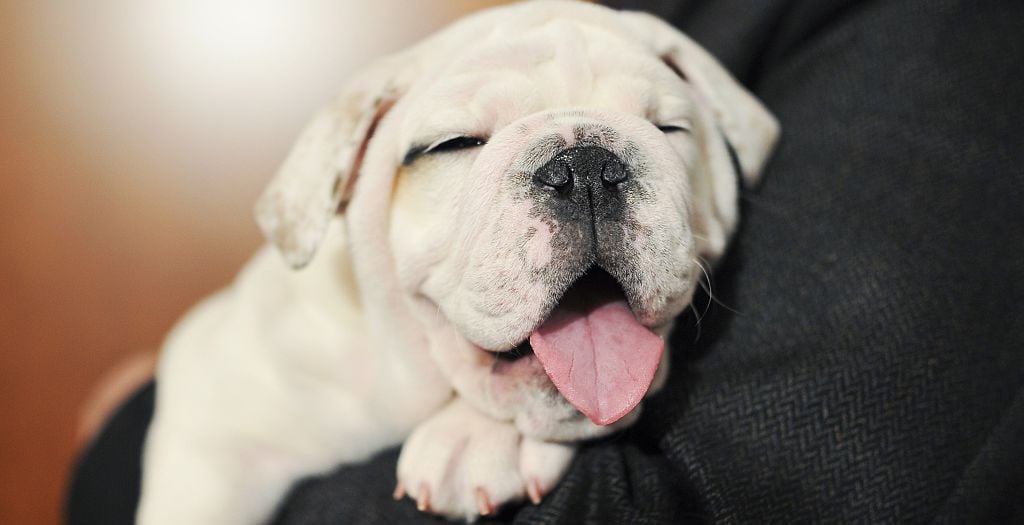
You've waited for this moment. Now your puppy is finally home - and somehow it's both more wonderful and more exhausting than you imagined.
The first week is a whirlwind. But knowing what's coming makes it so much easier to handle. Here's what you actually need to know.
Your Puppy Is Overwhelmed - And That's Okay
Before anything else, understand this: your puppy just left their mum, their siblings, and the only home they've ever known. Everything around them is brand new - the smells, the sounds, the faces.
That quiet, slightly dazed puppy on day one? That's not a problem. That's a puppy decompressing. Give them space, keep things calm, and let them come to you.
Day 1: Arriving Home
Take your puppy to their toilet spot first - before they come inside. It sounds small, but the habit starts here.
Once inside, let them explore slowly. Don't carry them from room to room or crowd them with everyone at once. Keep the energy low and welcoming.
Cancel the visitors for today. Everyone wants to meet the new puppy, but your puppy needs today to be calm and quiet. There's plenty of time for introductions later.
Expect on day one:
Eating very little or nothing - totally normal
Accidents indoors - guaranteed
Lots of sleeping
Uncertainty and clinginess
None of this is a red flag. All of it passes quickly.
The First Night: The Hardest Part
Here's the truth - the first night is rough. Your puppy has never slept alone in their life. Of course they're going to cry.
The one thing that helps most: put the crate next to your bed. Not on the sofa, not in the kitchen - next to where you sleep. Your scent and the sound of your breathing are genuinely calming for a puppy in an unfamiliar place.
Also helpful:
A worn t-shirt of yours inside the crate
A warm water bottle wrapped in a blanket
A heartbeat puppy toy if you have one
When they cry, don't rush in with excitement - but don't ignore them completely either. A calm, quiet "it's okay" from your bed is enough. If they need a toilet trip, handle it in dim light with minimal fuss, then straight back to the crate.
Night one is the worst. Night two is already better. By night five most puppies are sleeping in longer stretches.
Days 2–3: Start the Routine
Routine is the fastest route to a settled puppy. The more predictable your days are, the quicker your puppy relaxes into them.
Feeding: Stick to whatever food the breeder was using for now. Switching food suddenly causes digestive upset and more accidents. Feed four times a day for puppies aged 8–12 weeks.
Potty training: Take your puppy outside every 1–2 hours, plus after every meal, nap, drink, and play session. Same spot. Same cue word. Reward calmly when they go in the right place. Clean every indoor accident with enzymatic cleaner - regular floor cleaner doesn't remove the scent dogs can still detect.
Sleep: Puppies need 16–18 hours of sleep a day. When you see the first signs of tiredness - crankiness, biting more than usual, inability to settle - get them to their crate before they tip into overtiredness. An overtired puppy is chaotic. Prevention is everything.
Days 4–5: The Real Personality Comes Out
Around day four, something shifts. The quiet, overwhelmed puppy starts to come out of their shell. You'll see curiosity, cheekiness, boldness - and yes, a little more chaos.
This is a good sign. It means they're starting to feel safe.
Start very basic training now. Five minutes, twice a day. Name recognition, sit, simple handling. Use treats, keep it fun, and always end before your puppy loses interest. You're not trying to build perfect obedience - you're starting to build communication.
Practice short alone time. Put your puppy in their crate while you're home and step out of the room briefly. Return before they escalate. Build it up gradually. A puppy who learns that alone time is safe and temporary is far less likely to develop separation anxiety later.
Days 6–7: It Starts to Click
By the end of week one, you'll notice real changes. Your puppy is sleeping better. Eating reliably. Starting to recognize the rhythm of the day. Beginning to respond to their name.
You're also starting to know them - their toilet signals, their tired cues, what winds them up and what settles them down.
The accidents are probably still happening - that's fine. Potty training takes weeks of consistency, not days. What matters is that the routine is in place. Reliability comes later.
What's Normal, What's Not
Completely normal:
Not eating on day one or two
Crying on the first night
Multiple accidents every day
Sleeping enormous amounts
Mouthing and biting during play
Loose stools in the first day or two from stress
Call your vet if:
Your puppy hasn't eaten or drunk anything in 36 hours
There is blood in their stools
Repeated vomiting
Genuine lethargy -not sleepy, but unresponsive
Coughing, sneezing, or unusual eye/nose discharge
The Three Things That Make the First Week Easier
Keep it calm. Your puppy absorbs the energy around them. A loud, chaotic home makes settling harder.
Be consistent. The same rules, the same routine, the same cue words - every day, from everyone in the house.
Let go of perfect. You will make mistakes. Your puppy will make messes. That's week one. You're both figuring it out together.
The first week is the hardest week. Every calm toilet trip, every short training session, every quiet bedtime - it's all building something. By the end of the first month, you'll look back and barely recognize how far you've both come.
Enjoy it. Even the messy bits.
Frequently Asked Questions
How long does it take a puppy to adjust?
Most puppies settle noticeably within the first week. The full adjustment - where they truly feel at home - usually takes around three months.
Should my puppy sleep in my bed?
Personal choice - but be consistent from night one. Whatever you decide, stick to it. A crate next to the bed is a great middle ground.
How many overnight toilet trips will my puppy need?
At 8–12 weeks, expect at least one to two per night. By 4–5 months, most puppies sleep through.
When do I start training?
Gentle handling and name recognition from day one. Simple commands like sit and recall from around day four or five, once your puppy has had a chance to settle in.
So you are wondering if it is normal for a puppy to be really quiet and not want to eat on the day.
The answer is yes it is completely normal. You see, the trip home and getting used to a place can be really scary for a young puppy. It is normal for a puppy to not be very hungry and to be a little shy, on the day. This is the puppy getting used to everything and it does not mean that anything is wrong. Long as your puppy is drinking water and does not seem sick you should just give the puppy some time to get settled. Your puppy will be okay give them a little time.
How long does it take a new puppy to adjust to their new home?
When you bring a puppy home it takes some time for the puppy to get used to the new place. The puppy will start to feel better in one week. It will take the puppy around three to four weeks to really start to adjust.
It takes a puppy a lot of time to really feel at home. The new puppy will take around three months to feel at home and relaxed. People say that the new puppy follows the 3-3-3 rule. The 3-3-3 rule, for a puppy means that the puppy takes three days to calm down three weeks to learn what to do every day and three months to really feel at home.
Contact
We're here to help with puppy questions.
© 2025. All rights reserved.